
Campagnola
Five Generations, One Enduring Family Commitment to Valpolicella
Some family histories are measured in years. At Campagnola, the more revealing measure may be the moments when one generation entrusted something valuable to the next. For more than a century in Marano di Valpolicella, vineyards, knowledge, relationships, and responsibility have passed through the hands of the Campagnola family, each generation adding another chapter while remaining connected to the landscape where the story began.
One of its defining chapters belongs to Caterina Zardini. At the beginning of the twentieth century, following the premature death of her husband Carlo Campagnola, Caterina found herself responsible for both their family and the work they had begun in wine. With ten children to raise, she continued the business with remarkable determination. In 1907, her efforts received public recognition when the family's Recioto was awarded a medal at the Wine Exhibition in Verona.
That moment has endured within the family's memory for good reason. More than an early accolade, it represents the resilience that allowed Campagnola's story to continue.
The next generation carried it beyond the farm. In 1926, Caterina and Carlo's son Giuseppe, together with his brothers, acquired the Antica Osteria ai Portoni Borsari in Verona, creating a place where wines from the family's property could meet a wider audience. During the difficult years of the Second World War, Giuseppe later moved with his sons Giancarlo and Luigi to Valgatara, establishing the foundations of the winery that would continue to grow in the heart of Valpolicella.
Luigi's contribution would prove equally important. As international appreciation for the wines of Valpolicella increased during the decades after the war, he recognized an opportunity to carry the family wines beyond their traditional market. Together with the next generation, Campagnola developed from a relatively small producer into a winery capable of bringing the distinctive wines of its homeland to tables around the world.
Yet growth did not mean severing the relationships on which the winery had been built.
Beginning in the 1950s, Luigi developed partnerships with local grape growers whose vineyards complemented those of the family. Many of those relationships became longstanding collaborations. Today, Campagnola works actively with more than 50 winegrowers around Marano di Valpolicella, alongside its own vineyards, creating a network rooted not merely in grape supply but in generations of shared knowledge of the territory.
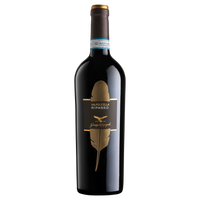
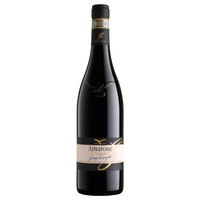
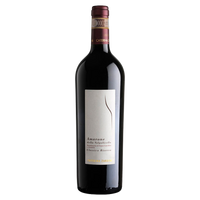
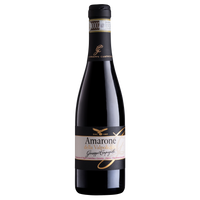
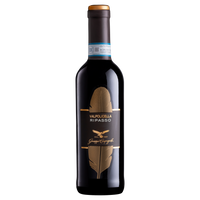
At the centre of that territory are the varieties and traditions that have long defined Valpolicella. Corvina, Corvinone, and Rondinella form the foundation for wines ranging from the bright immediacy of Valpolicella to the greater depth of Ripasso, Recioto, and Amarone. The traditional practice of carefully drying selected grapes remains particularly important, concentrating the fruit slowly before fermentation and connecting today's cellar to a method deeply embedded in the region's wine culture.
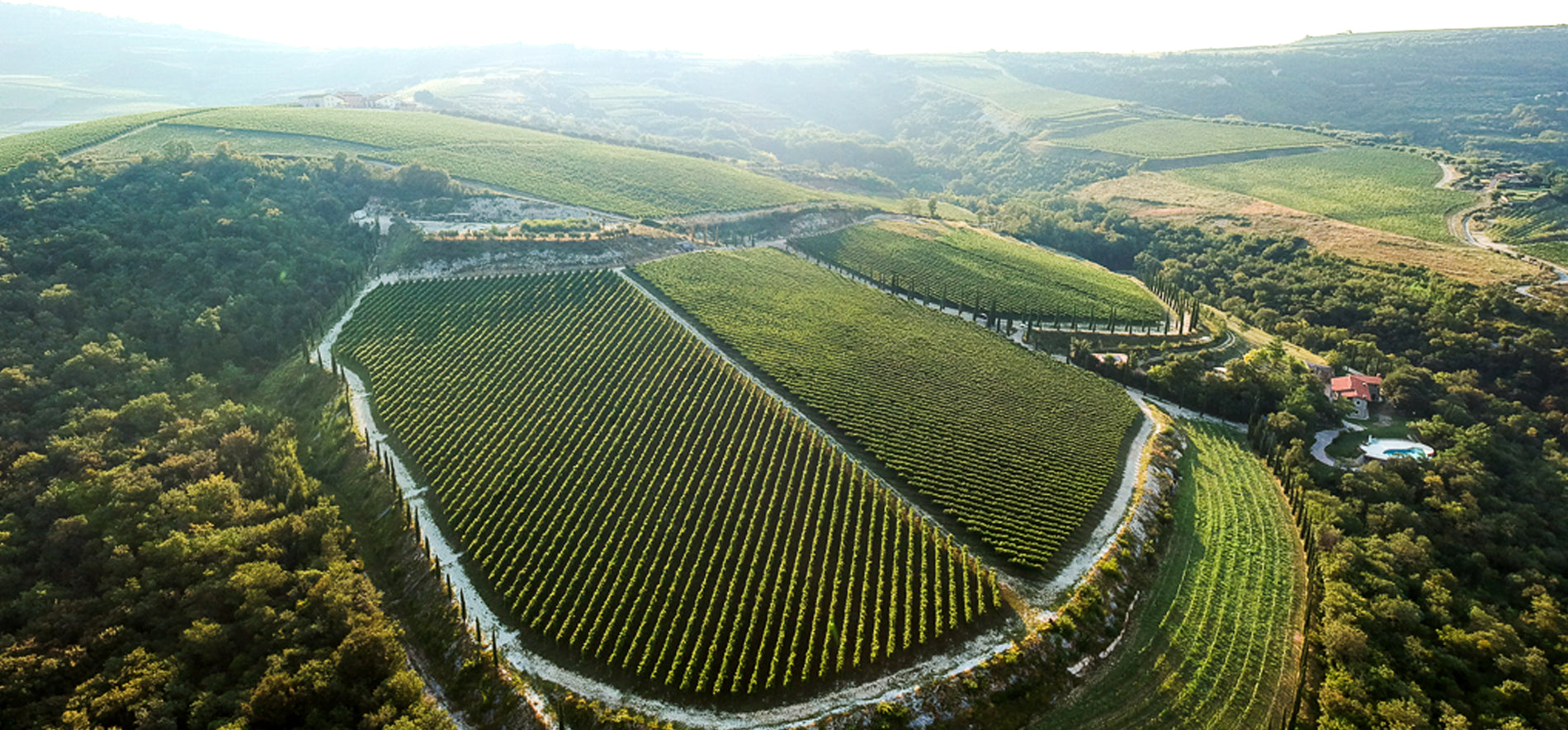
The landscape surrounding Marano provides the other constant. Hillside vineyards rise above the valley on predominantly limestone-based soils, while elevation and exposure help preserve freshness in grapes destined for the family's classic wines. Within Campagnola's own estates, organic cultivation has become part of a broader commitment to protecting these vineyards for the generations that will inherit them.
Perhaps the most meaningful expression of Campagnola's continuity can be found in the name Caterina Zardini, which still appears on the family's estate and wines today. More than a century after she ensured the survival of the young family business, her name remains connected to vineyards in Marano and to the Amarone Classico Riserva that honours her determination.
Today, Campagnola has reached its fifth generation, with multiple generations of the family contributing to the winery at the same time. The scale may have changed considerably since Caterina's Recioto received recognition in Verona in 1907, but the thread connecting those generations remains remarkably clear.
Each inherited something from the one before: vineyards, knowledge, relationships, opportunity—and the responsibility to leave them stronger for whoever comes next.
At Campagnola, that may be the most important family tradition of all.
Visit the Brand’s Website: