
Castello di Querceto
A Family Legacy Rooted in the Identity of Chianti Classico
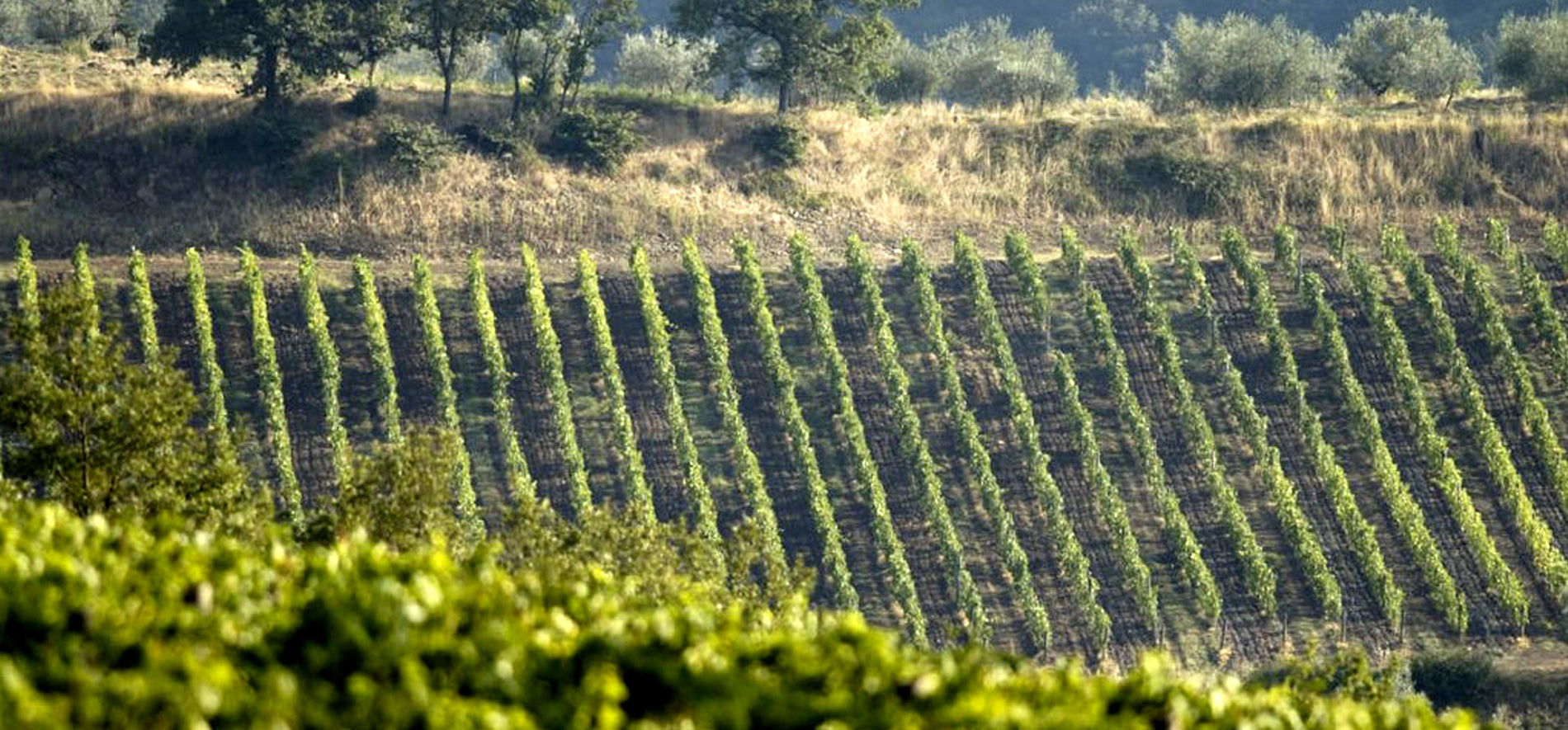
High in the hills near Greve in Chianti, an ancient castle stands watch over vineyards and olive groves descending toward the Dudda Valley. Built centuries ago as a sentinel over an important route through the Tuscan countryside, Castello di Querceto has witnessed wars, destruction, reconstruction, and generations of changing hands. Yet its most important chapter as a wine estate began in 1897, when the François family arrived and established a relationship with this remarkable landscape that continues more than a century later.
For the François family, Querceto became far more than a historic residence. Its vineyards offered the opportunity to understand the character of one of Tuscany's great wine-growing territories through years of cultivation, observation, and experience. Generation after generation, the family's work became increasingly intertwined with the identity of Chianti Classico, transforming an ancient agricultural estate into an enduring expression of the region.
That connection became part of Chianti Classico history in 1924, when Castello di Querceto joined 32 other local winegrowers in founding the organization that would become the Consorzio Vino Chianti Classico. Their purpose was remarkably forward-looking: to protect the authenticity and geographical identity of wines grown in the historic Chianti territory. The Black Rooster adopted by those founding estates remains the emblem of Chianti Classico today.
At Querceto, however, understanding origin eventually became more intimate. Beyond identifying wine with a region, the François family began exploring the individuality of the vineyards within the estate itself. Different slopes, exposures, soils, and elevations revealed distinctive expressions, encouraging a more precise approach to vineyard selection and ultimately to wines created around individual sites.
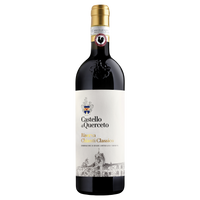
La Corte became one of the defining expressions of that philosophy. Produced exclusively from Sangiovese grown in a single vineyard, it reflects the family's conviction that a particular parcel can possess an identity worthy of being preserved independently. Il Picchio, another single-vineyard wine, offers a different interpretation of the estate through predominantly Sangiovese accompanied by Colorino. Both now sit within the Chianti Classico Gran Selezione category, giving contemporary expression to decades of observation within the vineyards of Querceto.
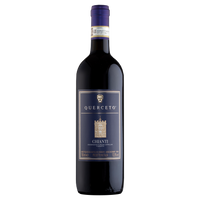
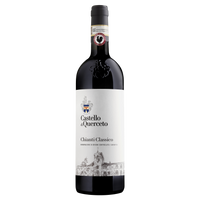
Sangiovese naturally remains at the centre of the estate's story. In the hills of Greve, the variety finds the combination of elevation, Tuscan sunlight, and varied soils required to develop the fragrance, structure, freshness, and savoury character for which Chianti Classico is celebrated. The estate's wines range from Chianti Classico and Riserva through its vineyard selections, allowing different facets of both grape and landscape to emerge.
Today, the François family's connection to Castello di Querceto continues into its fifth generation. The castle that once guarded the Dudda Valley now overlooks a very different landscape, but it remains an enduring symbol of continuity—surrounded by the vineyards and olive groves that have defined the family's work since the closing years of the nineteenth century.
More than 125 years after the François family arrived at Querceto, their legacy is not simply one of preserving history. It is one of continually learning from the same land: first helping to defend the identity of Chianti Classico itself, then looking ever more closely at the individual vineyards within it.
At Castello di Querceto, history provides the roots. The vineyards continue to write the story.
Visit the Brand’s Website: