
La Spinetta
Where a Belief in Piedmont’s Vineyards Became a Family Legacy
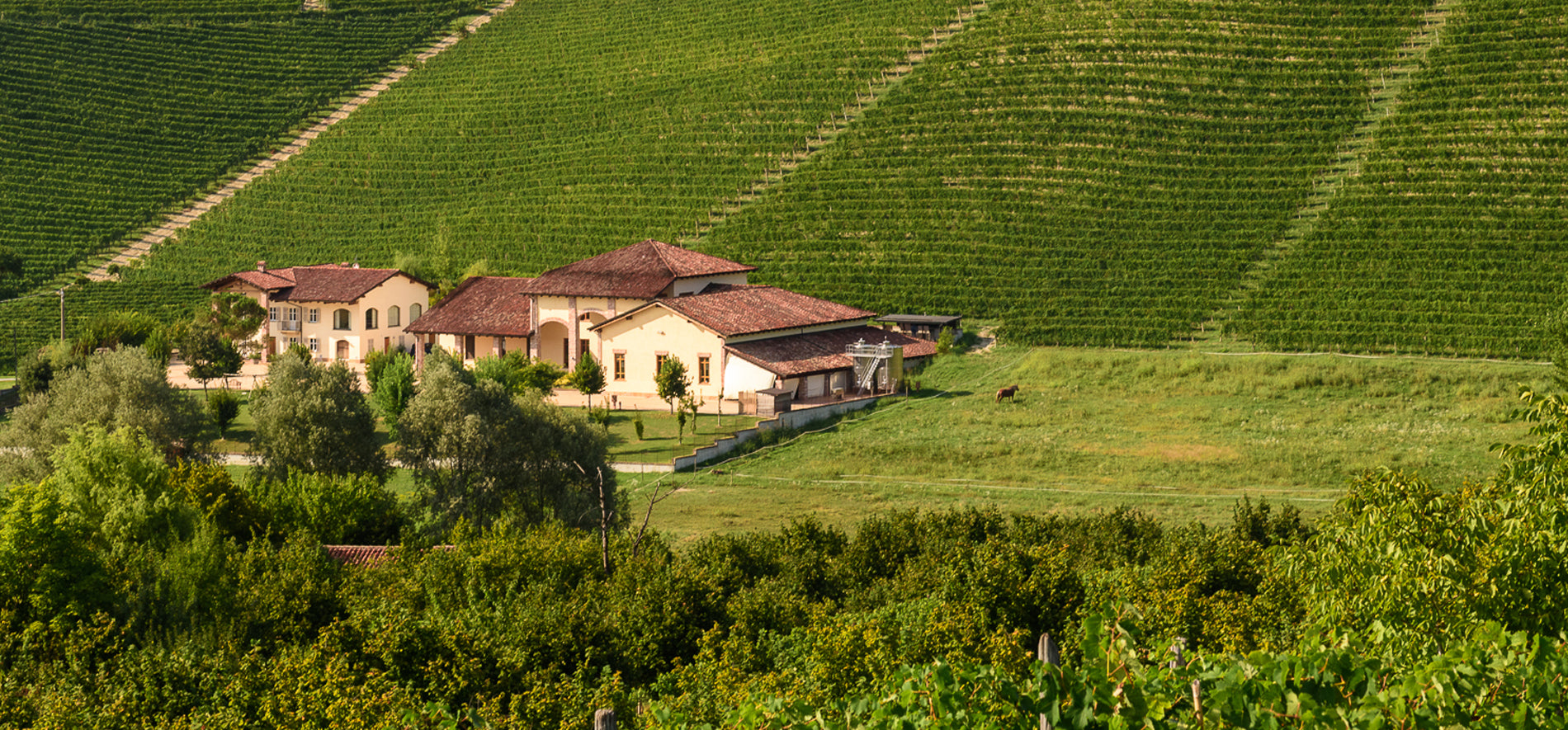
For nearly half a century, La Spinetta has pursued a remarkably consistent idea: that the character of a great wine begins with recognizing the potential of the vineyard. From Moscato and Barbera to the celebrated vineyards of Barbaresco and Barolo, the Rivetti family has continually explored what can emerge when grape, place, and meticulous cultivation are given equal attention. It is an instinct that has transformed a family of Piedmontese farmers into one of the region’s most distinctive wine producers.
The story begins in the hills around Castagnole delle Lanze, where Giuseppe “Pin” Rivetti and his wife Lidia farmed with a combination of pragmatism, humility, and restless curiosity. Their children—Carlo, Bruno, Giorgio, and Giovanna—grew up with an enduring respect for the land and for Piedmont’s indigenous varieties, but also with the conviction that tradition could provide a foundation for continued discovery.
In 1977, that philosophy found its first important expression. With the support of their parents, the Rivetti children began producing Bricco Quaglia and Biancospino, among the pioneering examples of Moscato conceived through the identity of individual vineyards. At a time when Moscato was rarely discussed through the language of cru and terroir, the family approached it with remarkable seriousness, establishing an idea that would quietly shape everything La Spinetta did thereafter: the stature of a wine begins with understanding the vineyard from which it comes.
That belief soon led the family deeper into Piedmont’s red varieties. Barbera Cà di Pian arrived in 1982, followed by Pin in 1989, a wine through which the Rivettis explored new approaches in both vineyard and cellar while remaining deeply connected to their Piedmontese roots. Yet it was Nebbiolo that would eventually bring their vineyard philosophy into its clearest focus.
Beginning with Barbaresco Gallina in 1995, followed by Starderi in 1996 and Valeirano in 1997, La Spinetta began producing three single-vineyard Barbarescos from three distinctive sites. Crucially, each wine was approached in the same manner in the cellar. The intention was not to create difference through winemaking, but to reveal what was already there—allowing soil, exposure, altitude, and microclimate to demonstrate how profoundly the character of Nebbiolo can change from one vineyard to another.
The family’s search eventually carried them into Barolo, where Giorgio Rivetti recognized the potential of vineyards in Grinzane Cavour. Yet expansion has never meant abandoning the philosophy established in those first Moscato vineyards. Across the estate, careful vineyard work, controlled yields, and close observation of each growing season are all directed toward allowing the character of the land to emerge. Indigenous varieties remain central because, for the Rivettis, they provide an essential connection between wine and the places in which those grapes have evolved.
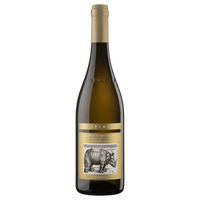
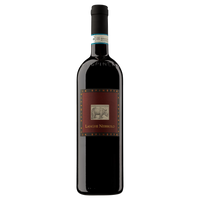
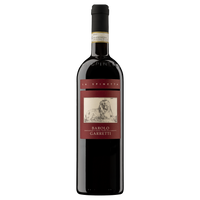
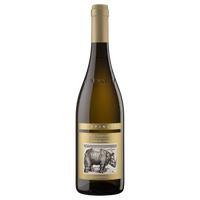
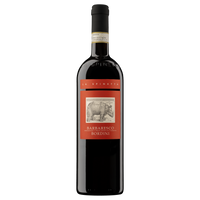
Even La Spinetta’s unmistakable labels reflect the family’s independent character. The rhinoceros that has become synonymous with the winery comes from Albrecht Dürer’s celebrated 1515 woodcut, an artwork admired by Giorgio Rivetti and adopted as an emblem of the estate. Bold, unexpected, and immediately recognizable, it has become as distinctive a visual signature as the wines themselves.
That same curiosity has continued to carry La Spinetta into new territories. In Tuscany, the family chose to place Sangiovese at the centre of its Casanova della Spinetta estate. In 2011, their passion for traditional-method sparkling wine led to the acquisition of historic Contratto, followed by investment in vineyards that would strengthen its connection to Alta Langa. And in 2018, the Rivettis turned their attention to the hills of Tortona and Timorasso, convinced of the remarkable potential of this indigenous Piedmontese white variety.
Each of these chapters may appear different, but the instinct behind them remains remarkably consistent: to recognize vineyards and native varieties with something distinctive to express, and then give them the attention required to reveal it.
Today, La Spinetta’s reputation encompasses some of Piedmont’s most celebrated wines, yet the philosophy behind them can still be traced back to those early vineyards around Castagnole delle Lanze. From Moscato to Barbera, from individual Barbaresco crus to Barolo and Timorasso, generations of the Rivetti family have continued to pursue the potential they see in the land around them.
For La Spinetta, that enduring belief in the vineyard has become more than a winemaking philosophy. It has become the family legacy.
Visit the Brand’s Website: