
Vina Falernia
Where an Italian Family Saw a Vineyard in the Desert
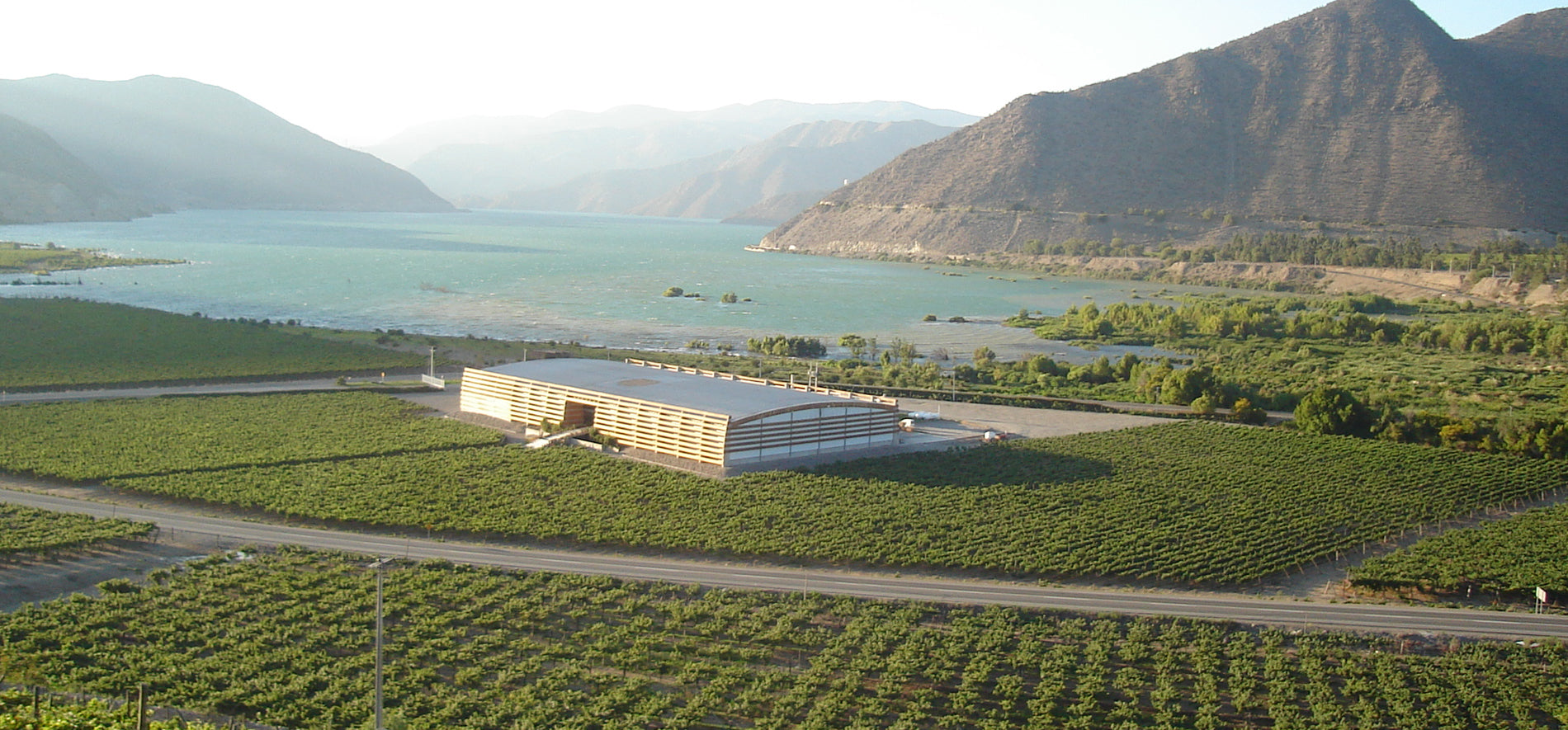
Great wine regions are often built upon generations of precedent. Viña Falernia began with something very different: the conviction that an extraordinary wine region was waiting to be discovered. In Chile's remote Elqui Valley, more than 500 kilometres north of Santiago and on the southern threshold of the Atacama Desert, the Olivier family looked across a stark landscape of mountains, stones, and brilliant blue skies and imagined vineyards. What followed would establish Falernia as a pioneer of viticulture in one of the most extreme wine-growing environments in South America.
The story begins thousands of kilometres away in Trentino, among the mountains of northern Italy. In 1951, the Olivier family left their home in the Alpine village of Dimaro and emigrated to Chile as part of an agricultural development initiative between the Italian and Chilean governments. Twelve-year-old Aldo Olivier Gramola arrived with his family in the Coquimbo-La Serena region, where they began a new life cultivating the land. Aldo eventually settled in El Tambo, near Vicuña in the Elqui Valley, planting grapes for Pisco in 1972 before establishing a distillery that would become one of Chile's largest.
More than two decades of working with vines taught Aldo something important about this seemingly inhospitable valley: beneath its desert appearance lay remarkable viticultural potential.
That intuition became a wine project after a meeting in 1995 with his cousin Giorgio Flessati, an accomplished Trentino-born oenologist and viticulturist. Giorgio brought experience gained in Italy, France, and Australia; Aldo brought an intimate understanding of the Elqui Valley. Together, they began exploring whether a landscape traditionally associated with Pisco could produce fine wine. Viña Falernia was established in 1998, becoming a pioneering estate at the northern frontier of Chilean wine.
The Elqui Valley is a place of striking extremes. Annual rainfall can amount to little more than 25 to 30 millimetres, making carefully managed irrigation essential, while intense sunlight and remarkably clear skies define the growing season. Yet the valley is not simply hot. Cold Pacific air penetrates inland through openings in the coastal mountains, producing dramatic differences between daytime and nighttime temperatures. Against a backdrop of Andean peaks, vines ripen beneath brilliant sunshine before temperatures fall sharply after sunset, helping preserve acidity, aromatics, and freshness in grapes grown under otherwise formidable conditions.
Falernia's vineyards reveal just how varied this apparently austere landscape can be. At Titon, only 18 kilometres from the Pacific, morning fog and cool maritime winds create an unexpectedly temperate environment suited to varieties including Sauvignon Blanc, Chardonnay, Riesling, Pinot Noir, and Syrah. Around Puclaro, at approximately 515 metres, conditions become warmer and drier, favouring Syrah, Viognier, Sangiovese, and other varieties. Near Vicuña, vines grow in the extraordinarily stony soils of an ancient riverbed, while at Huanta, vineyards climb as high as approximately 2,000 metres above sea level, where extreme altitude and enormous diurnal temperature shifts create yet another expression of the Elqui Valley.
These vineyards are rooted largely in rocky material eroded from the Andes and in alluvial deposits left by the Elqui River. Poor in the conventional agricultural sense, their free-draining character makes them particularly suited to vines. Chile's natural isolation also means phylloxera has never established itself here, allowing vines to grow on their own roots rather than being grafted onto resistant American rootstock—another reminder of how unusual this viticultural landscape truly is.
In the cellar, Giorgio Flessati brings an unmistakably European sensibility to a distinctly Chilean terroir. His philosophy is not to impose an Old World style upon Elqui, but to use experience and precision to reveal what the valley naturally provides. Hand-harvested grapes arrive at the winery quickly in small containers, while temperature-controlled fermentation, gentle extraction, and carefully judged maturation preserve the purity and individuality of the fruit. Technology provides precision, but the human connection to vineyard and wine remains fundamental.
The result is a fascinating meeting of worlds: Italian viticultural heritage and Chilean frontier spirit, interpreted through one of the most dramatic landscapes in modern wine. Varieties familiar from Europe acquire a distinctly Elqui identity here, shaped by desert sun, Pacific air, Andean soils, and altitude.
Today, Viña Falernia stands as proof of the vision that Aldo Olivier first had decades ago. Where others saw a semi-arid valley better known for Pisco, he saw the possibility of fine wine. Together with Giorgio Flessati, he transformed that possibility into vineyards stretching from the cooling influence of the Pacific toward the heights of the Andes.
Falernia's story is ultimately not about conquering the desert, but understanding it—discovering where water, altitude, ocean air, stone, and sunlight find their equilibrium, and allowing vines to do something remarkable there.
Visit the Brand’s Website: